
Designing a Sensory-Friendly Environment in an Adult Family Home
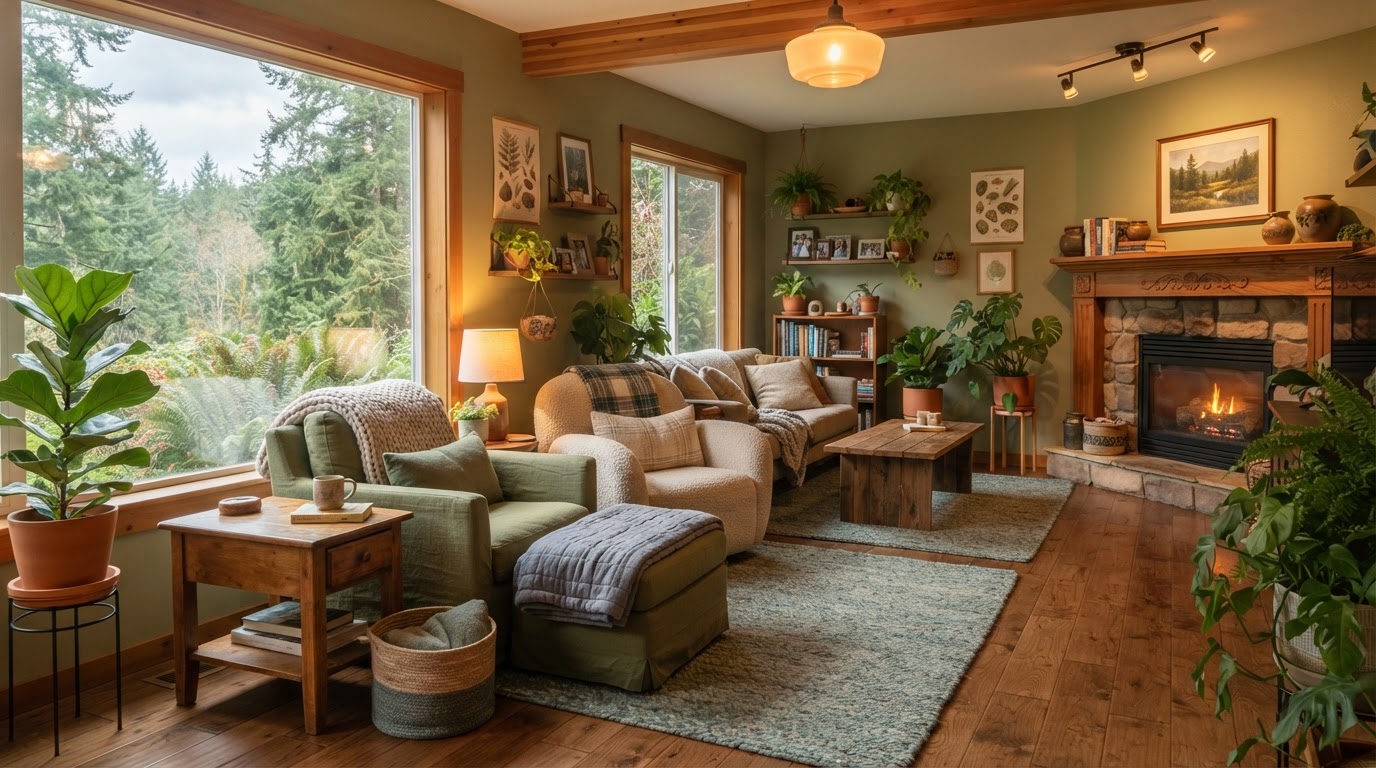
For many adults with developmental disabilities, the physical environment is care. A sensory-friendly home reduces triggers, lowers anxiety, and makes behavioral support plans more effective.
Lighting and Sound
Harsh fluorescent lighting and unpredictable noise are common sensory triggers. A sensory-aware home uses warm, dimmable lighting, minimizes overhead glare, and controls ambient sound - soft-closing doors, quiet appliances, and designated low-stimulation hours.
Predictable, low-arousal environments reduce the antecedents that lead to behavioral incidents before any staff intervention is needed.
Defined Spaces and Retreat Areas
Open-plan layouts can overwhelm. Defined spaces - a quiet reading nook, a sensory room with regulated input, a predictable dining area - let residents self-regulate by choosing their stimulation level. Private bedrooms serve as personalized retreats.
Bedrooms are customized to the resident's sensory profile: familiar bedding, controlled lighting, preferred textures, and personal objects that anchor routine.
Predictable Routines and Visual Supports
Visual schedules, consistent daily routines, and advance warning for transitions reduce anxiety for residents who struggle with unpredictability. These are core ABA-informed strategies that the environment and staff reinforce together.
When the physical space and the daily routine are both predictable, behavioral support plans work far more effectively.
About the author
The Avenue Home Care Team includes licensed adult family home administrators, trained direct support professionals, and a contracted Registered Nurse with combined experience in DDA residential care, ABA-informed behavioral support, and RN delegation in Washington State.
Frequently Asked Questions
Can a resident's bedroom be customized for their sensory needs?+
Yes. At Avenue Home each resident has a private bedroom that can be furnished and decorated to their sensory and personal preferences - lighting, bedding, textures, and personal items - to create a calming, individualized retreat.
Have questions about placement at Avenue Home?
Our intake team responds to DDA referrals within 24 business hours.
Schedule a Tour or Submit Referral